EV Driving Tips: Range Anxiety and Charging Etiquette
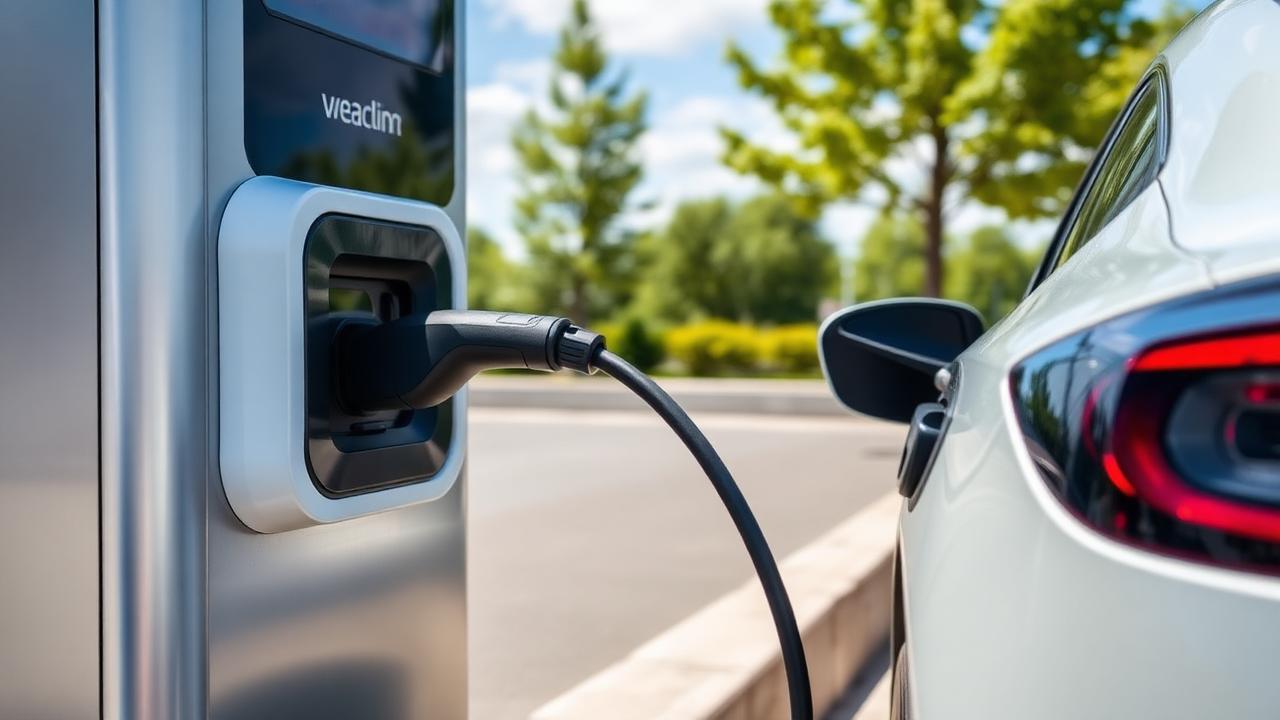
Electric vehicles passed 10% of new U.S. car sales in 2025 and are projected to hit 20% by the end of 2026. If you're new to driving one, two things will surprise you in the first week: how easy it is, and how different the road etiquette around charging is from anything you've done at a gas pump.
Range anxiety isn't really about range
The actual problem isn't running out of charge — modern EVs warn you well in advance. The problem is uncertainty about where you'll charge and how long it'll take. Solve that and the anxiety disappears.
Plan in three layers
- Home base. Most charging happens overnight. A 240V Level 2 charger adds 20–30 miles of range per hour — full overnight refill, every night.
- Daily commute. If your round trip is under 60% of your rated range, you can ignore public charging entirely on weekdays.
- Road trips. Use a planner (PlugShare, A Better Routeplanner, your car's built-in nav). Aim to arrive at each fast charger with 10–20% battery — fast charging is slowest when the battery is nearly full.
Charging speeds in plain language
- Level 1 (120V wall outlet) — 3–5 miles per hour. Emergency only.
- Level 2 (240V home or destination) — 20–30 miles per hour. Overnight standard.
- DC fast charging (50–350 kW) — 100–250 miles per 30 minutes, slowing dramatically above 80%.
Public charging etiquette
These aren't rules anyone enforces — but every EV driver notices.
- Unplug at 80% on a fast charger when others are waiting. The last 20% takes nearly as long as the first 80%.
- Don't park in a charging spot if you aren't charging. "ICEing" (parking a gas car there) and "EVing" (sitting at full charge) are both rude.
- Report broken chargers through the network app. You're saving the next driver a 20-minute detour.
- Don't unplug another car unless its app confirms charging is complete and it's been sitting idle.
- Coil the cable back on the holster. A cable left on the ground is a tripping hazard and a damaged-cable risk for everyone after you.
Driving for range
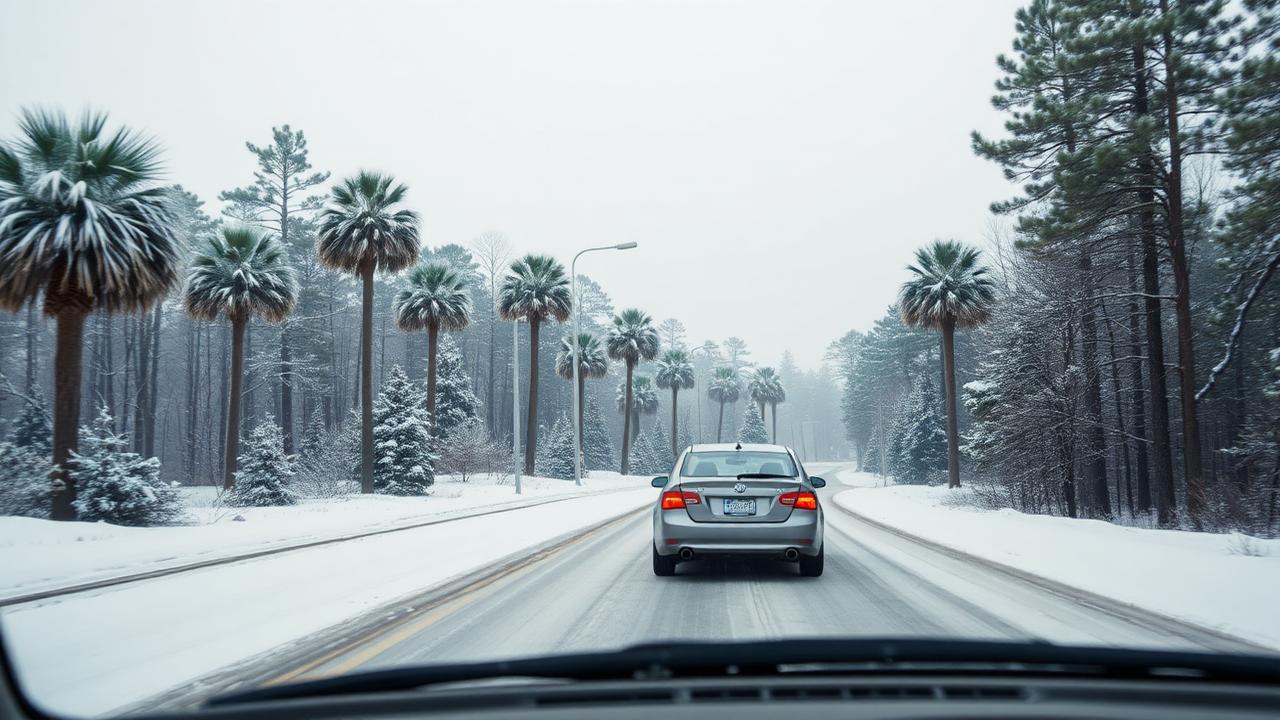
EV range drops sharply at sustained highway speeds and in cold weather. Two habits that compound:
- Keep highway speeds at 65 mph instead of 75. That alone improves range 10–15%.
- Precondition the cabin while plugged in on cold mornings. Heating from grid power costs no range.
Defensive driving habits — smooth acceleration, anticipation, generous following distance — also happen to be the highest-range driving habits. A defensive driving course won't teach you EV-specific tricks, but the underlying behavior overlaps about 90%.